 Thinking in Public
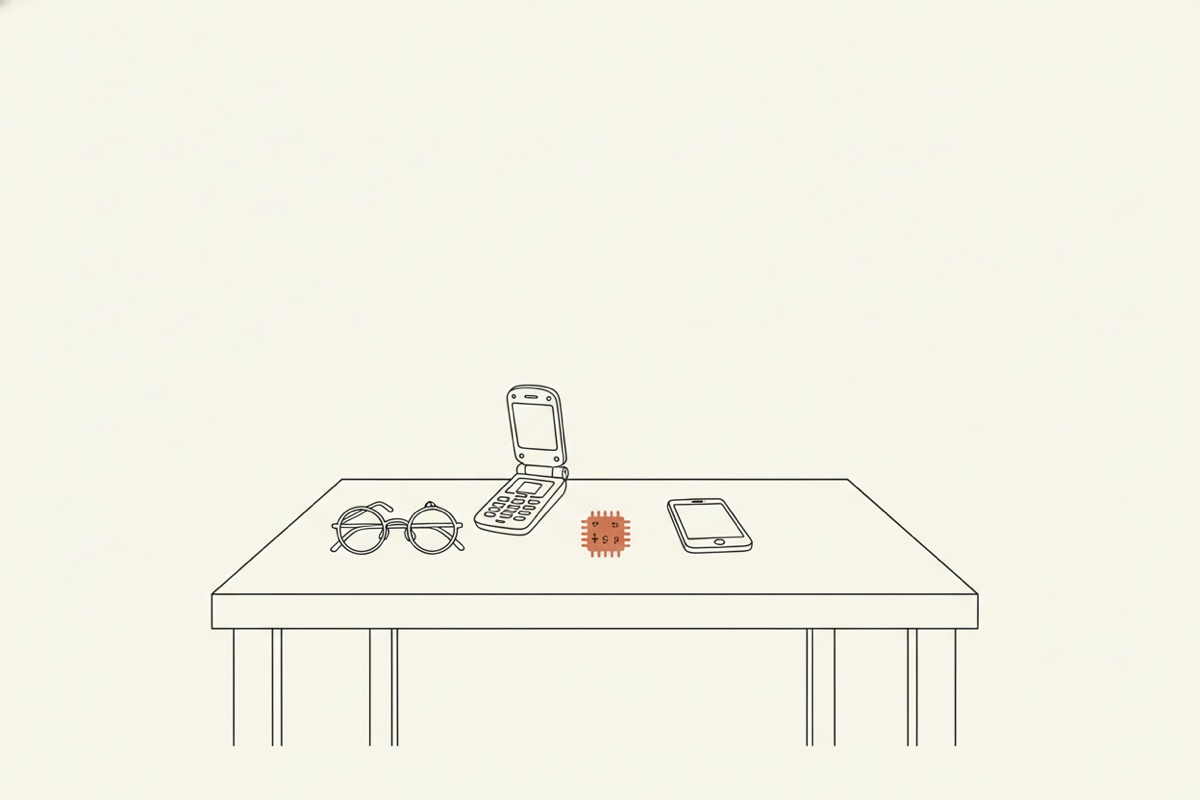
We can't go back from where we are.
The other day I lost my credit card. Because of that, I forgot to update it on my Claude account, and I was lost. Like, what do I do now? It's like having glasses and then they're gone.
I'm so used to telling Claude what to do all the time that I did not know what to do with myself.
It's too late to go from a smartphone to a dumb phone. It's too late for me to go from AI to not having it. I can never go backwards.
The same is happening with self-driving cars. I see it. Even people who have luxury cars use their Tesla, because it drives them there. It's a chauffeur.
Because of that, I see Neuralink as inevitable. Neuralink already has people in its trials. In January 2026 it said 21 were enrolled worldwide (Reuters).
In January 2026, Neuralink told Reuters that 21 people were enrolled in its trials worldwide, up from 12 in September 2025. The implant lets people control digital and physical tools with thought. It is designed for people with conditions such as spinal cord injury. The first patient has used it to play video games, browse the internet, post on social media and move a cursor on a laptop. The company reports no serious device-related adverse events so far.
Today the trials serve people with paralysis. Everything past that is my own prediction: that a chip which helps one person do more will, once it is safe, be wanted by people who can already do a lot. Related: Without Claude, I was frozen.
Think about having the AI I use in my brain. All this knowledge, all this capability. I could speak any language. I could fix my eyesight and any brain discrepancy.
If I run a business, why would I not hire the Neuralink person who can do more over the one who doesn't have it?
It's scary to think about, but all young people are going to have a chip in their head. Children my daughter's age will have one, or they won't get a job.