 Thinking in Public
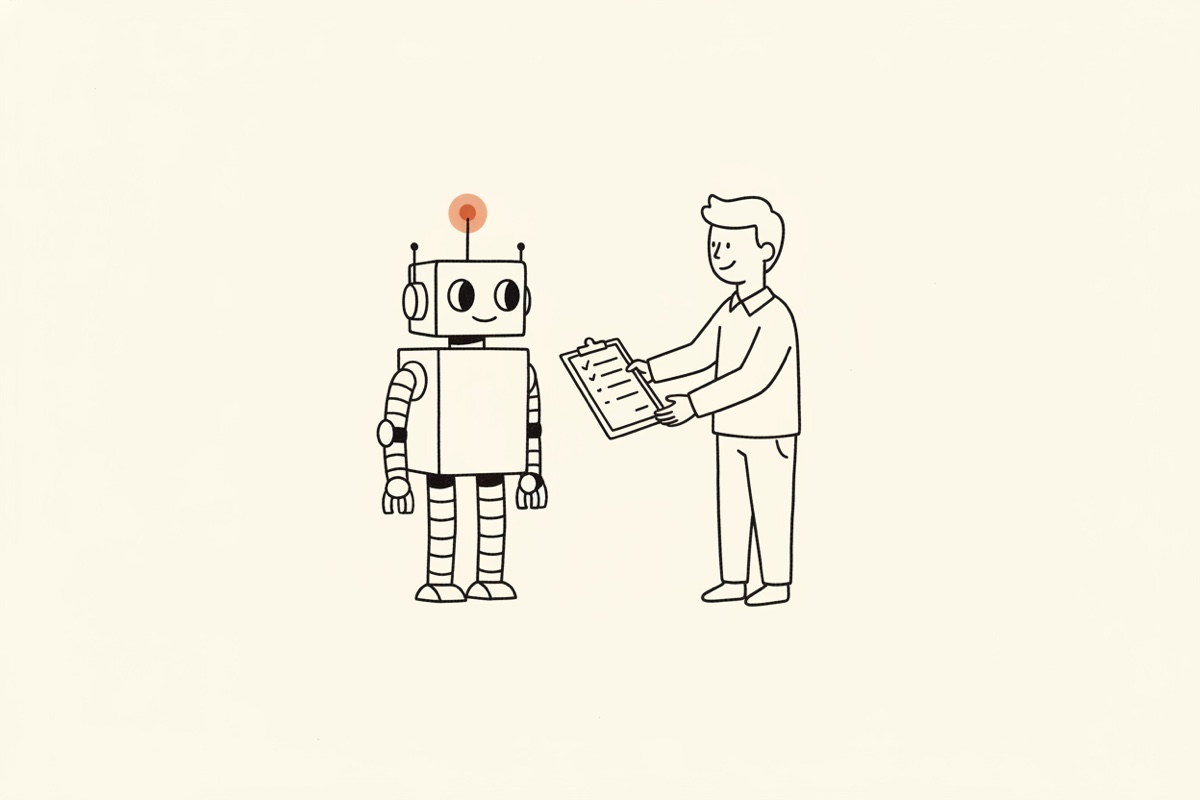
AI is here, and the robots are coming next — in a boring, practical way. Someone has to onboard them into society: buy them, train them, fix them, insure them.
That's the part people skip when they talk about robots taking jobs. Every new machine that shows up needs an industry standing next to it. Here are three ideas for that industry.
Own ten robots. Dispatch them for cleaning, delivery, security — the way a franchise owner dispatches trucks. The new small business is a fleet.
A small business can't train a robot itself. So a company shows up, sets it up on the specific task, supervises the first week, hands over a machine that just works. The new hire is a robot, and someone has to run its first day.
Robots break, robots make mistakes, robots need parts. Somebody becomes the mechanic and somebody becomes the insurer — the same combo that built the auto industry, rebuilt for machines that do the driving and the packing themselves.
The pattern — every new machine drags an entire service industry in behind it
None of these three ideas need a breakthrough. They need someone to move early — to stand between the robot makers and the businesses that will use them, and make the transition boring instead of scary.
That's how you profit from the robots — by onboarding everyone else's.