 Thinking in Public
About 1% of the world pays for an AI subscription: the real number, checked against current data.
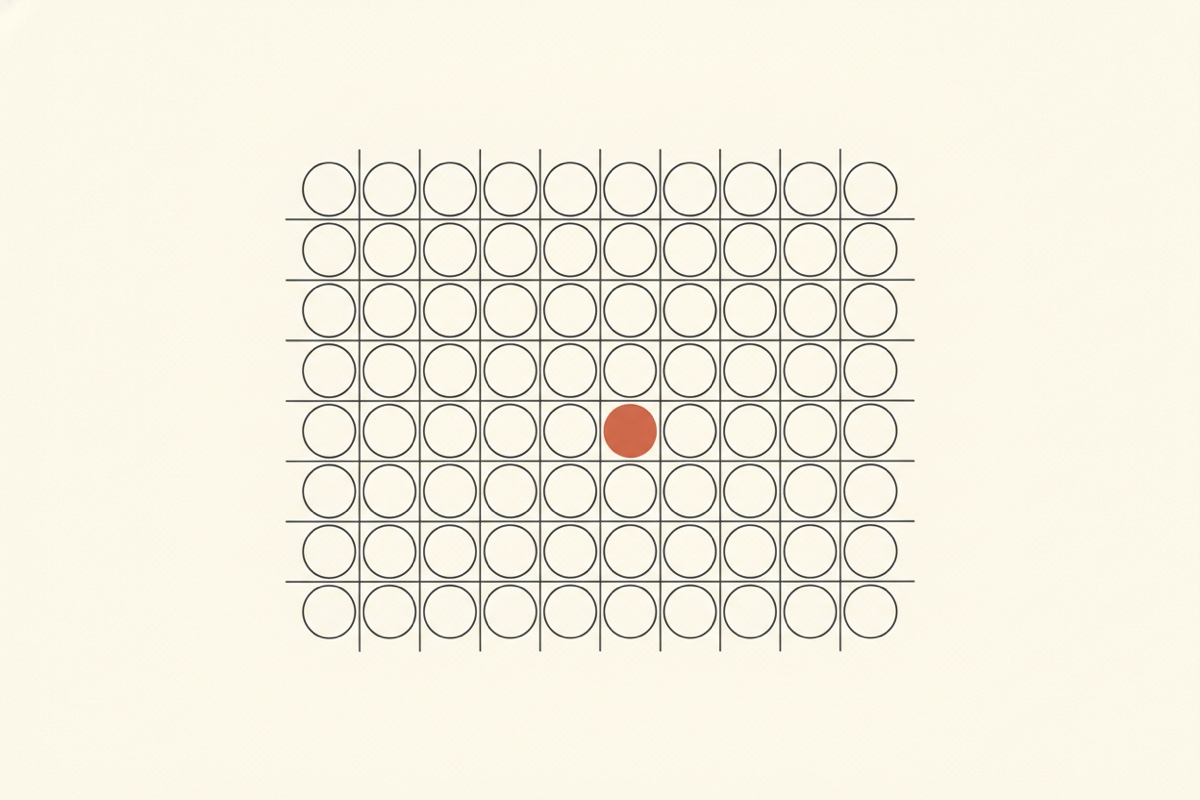
I said 1% of society pays for AI, meaning pays out of pocket for the service, and checked the real number. It holds up: around 80 million people worldwide pay for an AI subscription, built off OpenAI's own count of 50 million paid consumer subscriptions plus what Anthropic and Google don't disclose. Out of 8.3 billion people, that's roughly 1%.
In the US specifically, PNC Bank puts it at 2% of households paying personally, up 155% from last year, small but growing fast. That number sits lower than real usage because a huge share of people use AI through a company account: Copilot, Gemini, a work Claude seat. They use it daily without ever seeing a bill.
Both numbers say the same thing: we are extremely early. Most of the people who will eventually pay for this haven't started yet. That gap is the opportunity. Everyone still figuring out how to use AI will need to learn it from whoever got there first.
In 1962 Everett Rogers published Diffusion of Innovations. He sorted the people who adopt a new technology into five groups: innovators, early adopters, the early majority, the late majority and laggards. A tool that about 1% of people pay for sits at the very start of that curve.
The groups that come next adopt when someone they know shows them how it works. That someone can be you.
Pick one task you repeat every week, like a report, a reply or a schedule. Run it through an AI tool until you have a version you trust, and write down the steps.
Then show one person. A coworker, a client, a friend. The first person you teach finds the steps that were unclear, and you fix them. I think teaching is the fastest way to learn.