 Thinking in Public
If you create content, it's always better to sell your own product than someone else's.
But at the start, selling other people's products is a great way to understand what your customer actually needs. You trade margin for information to empower your investment.
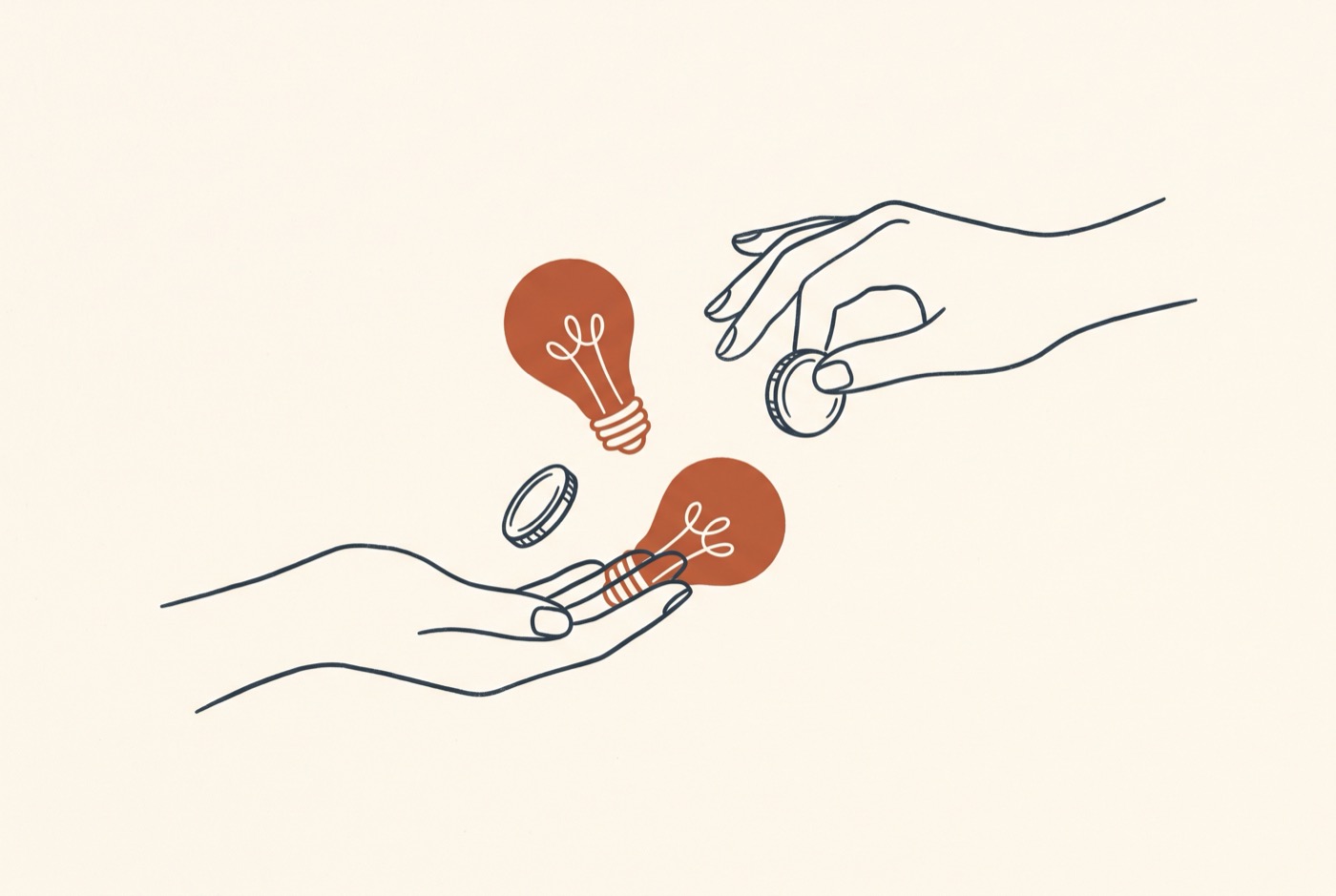
The progression — from someone else's shelf to your own
Once you know what they need, build it. Start with courses and ebooks about your own knowledge — they're the cheapest way to package what you've learned. Then move into products.
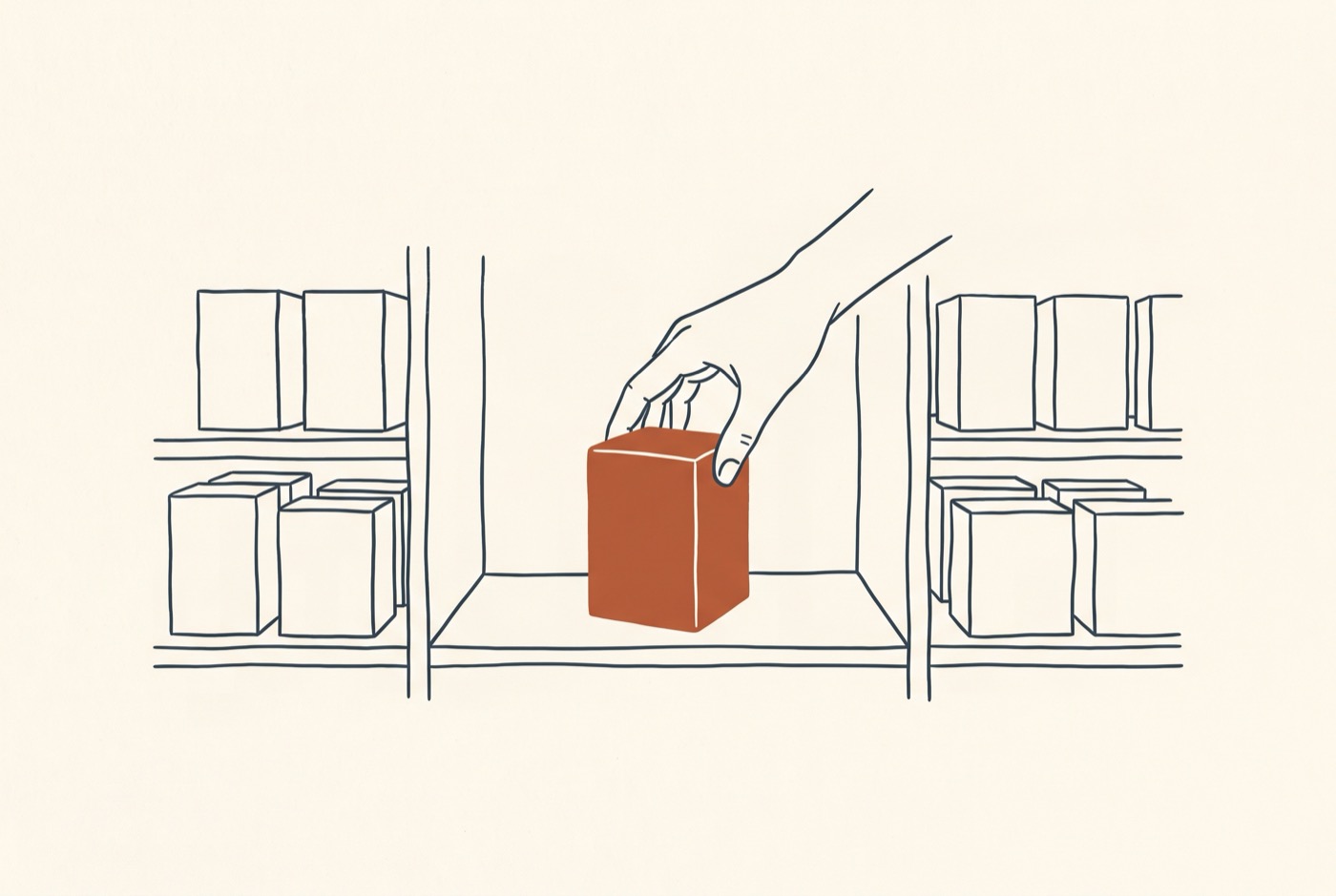
Picture a creator who recommends a brand's product and earns a cut of each sale. The sales are small. The data is large. Which post got clicks? Which price did people buy at? What did they ask in the comments before they bought? What did they come back to ask for that the product did not do?
Those answers cost money to get any other way. Here you get paid a little while you collect them. That is the trade in the picture above: some margin for a lot of information.
When you sell someone else's product, they set the price, the quality and the customer experience, and they keep most of the margin. When you sell your own, all of that is yours, and so is the customer relationship. I think that is the reason to move on once you know what your audience wants.
The step from one to the other is small. Write down the three questions your audience asks most. Package the answers as a course or an ebook. Then ship the first version this month and sell it to the people who already follow you.