 Thinking in Public
The dealership machine, pointed at your catalog.
We built a machine for car dealerships: a car lands on the lot in the morning, and by the afternoon it's on Facebook, Instagram, TikTok and Google — photos, price, link, no hands. That machine doesn't know it's posting cars. A car is just a product with photos, a price, and a stock status.
Which means the same machine works for a clothing company. A jewelry brand. A sneaker shop. Anyone with a product catalog. New drop hits the store — posted everywhere, the moment it goes live. Price drops — announced. A piece sells out — the post comes down, or flips to sold-out proof that the brand moves. Restock — announced again. The catalog is the content calendar; most brands just never treat it that way.
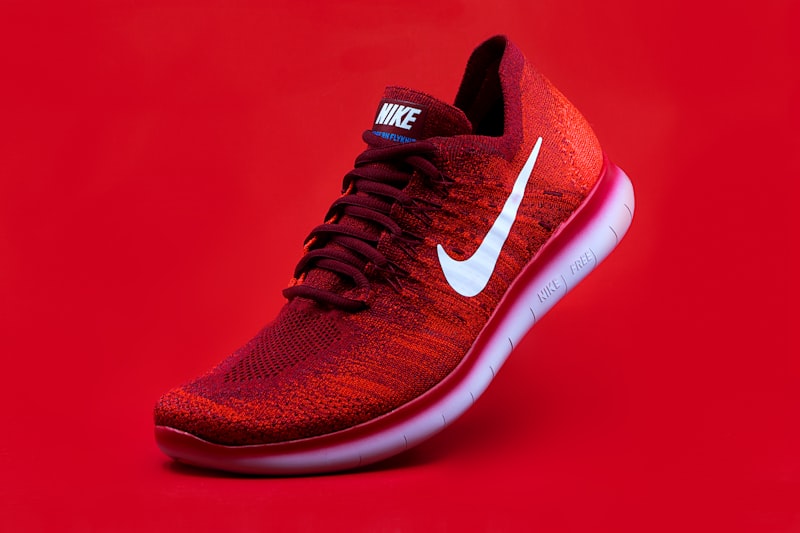





What the feed writes on its own — drops, restocks, sell-outs, price changes
And here's where it gets better than the car lot: the ads can be automated too. Ecommerce ad creative is mostly the product image with a headline, a price, and a button. That's a template, and templates are what machines are for. The machine builds the ad from the catalog, spins up a variant for every product, refreshes the creative when the line rotates, and kills the ad the moment stock hits zero — so you never pay to promote something you can't sell. No designer in the loop, no "waiting on creative."
 Sponsored · auto-built
 Sponsored · auto-built
The product image is the creative — ads assembled from the catalog, retired when stock dies
The outcome is the same one the dealerships get: everything you sell gets seen the day it exists, the feed and the ads are never stale, and nobody on the team spends their week exporting photos into a design tool. If you run a clothing brand, a jewelry line, or any store with more products than posting hands, this is the kind of system we build. Book the AI Audit →
The dealership version is live and posting today — the ecommerce version is the same machine with a different feed.
Book the AI Audit